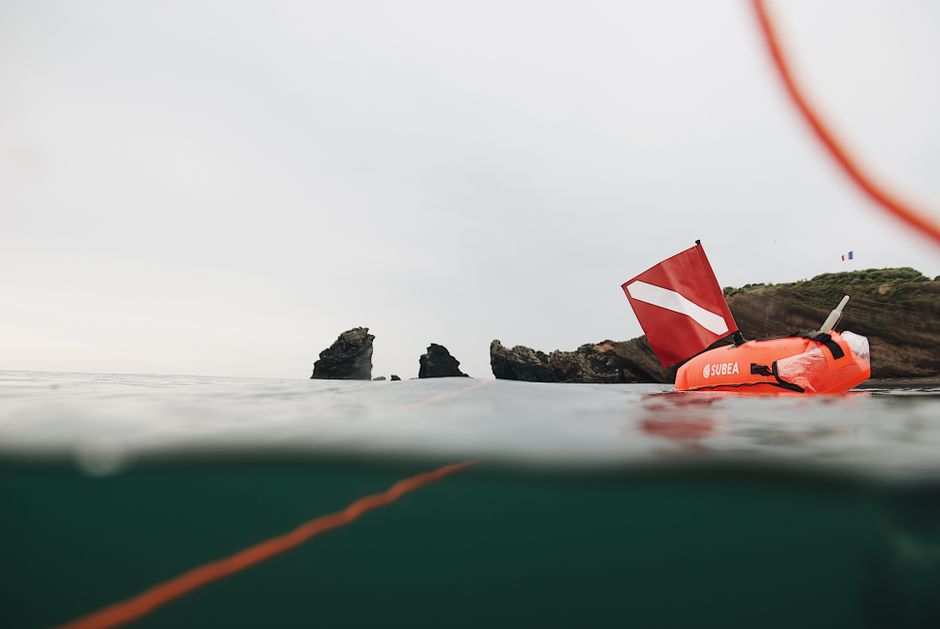
Diving can be an exhilarating and transformative experience, offering a unique perspective of underwater worlds. However, it is crucial to prioritize safety to ensure a fulfilling dive. Here are five essential tips for safe diving practices that will help you enjoy this captivating activity without risks.
Plan Your Dive and Dive Your Plan
A well-structured dive plan is your best friend underwater. Discuss the dive plan with your buddy, including depth, time limits, and potential hazards. Adhering to your plan ensures that both you and your dive partner remain aware and accountable.
Maintain Proper Buoyancy
Mastering buoyancy control is fundamental in preventing injuries and preserving marine life. Initiating a dive with the correct weight setup and diligently practicing buoyancy techniques will allow you to glide effortlessly and safely through the water.
Conduct Equipment Checks
Adequate functioning gear is imperative for safe diving. Conduct a thorough pre-dive check to ensure that all equipment is operational, focusing on the regulator, BCD, and gauges. Regular maintenance and inspections are also essential.
Communicate Effectively
Clear communication with hand signals is vital in the event of an emergency or for routine status checks. Before diving, review standard hand signals with your buddy to facilitate effective underwater communication.
Ascend Slowly and Safely
Returning to the surface should be gradual and controlled. A slow ascent helps prevent decompression sickness and other complications. Adhere to the reference ascent rate and perform a safety stop to further safeguard against pressure-related issues.
By following these safe diving practices, you can dive with confidence, knowing that you are well-prepared. Ensuring safety underwater not only enhances your experience but also preserves the delicate marine ecosystems for future explorations.
Leave a Reply