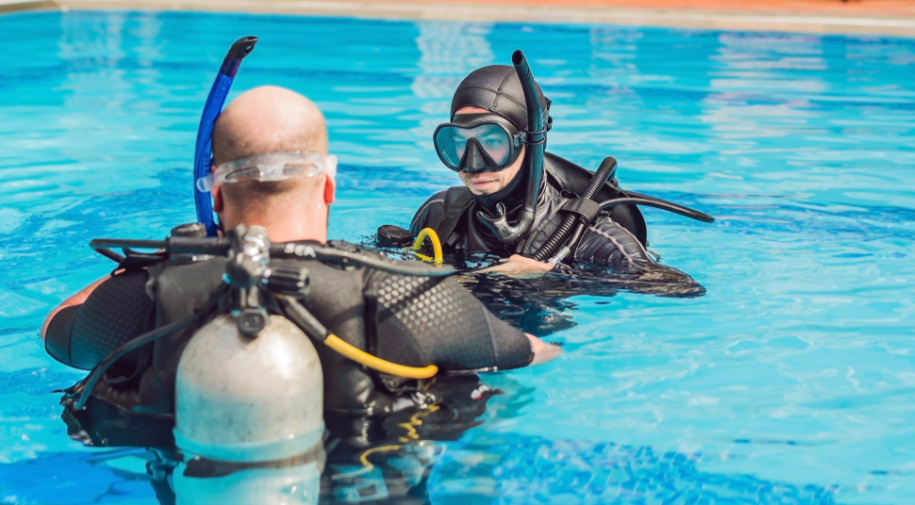
Scuba diving is one of the most rewarding ocean experiences, offering a unique way to explore underwater ecosystems, marine life, and coral reefs. However, before taking your first dive, understanding the basics is essential for safety, confidence, and enjoyment. Proper knowledge separates a memorable experience from a risky one.
Understanding What Scuba Diving Really Is
Scuba diving allows divers to breathe underwater using self-contained breathing apparatus equipment. Unlike snorkeling, diving involves depth, pressure changes, and controlled breathing techniques. Because of this, training and preparation are not optional — they are mandatory.
Beginner divers usually start with an Open Water certification, which teaches fundamental skills, safety procedures, and equipment usage. Certified instruction ensures divers understand both the excitement and responsibility that comes with diving.
Essential Scuba Diving Equipment
Every diver relies on a standard set of equipment. This includes a mask, fins, regulator, buoyancy control device (BCD), wetsuit, and air tank. Each component plays a critical role in underwater safety and comfort.
Beginners are encouraged to rent equipment initially rather than purchase immediately. Rental gear allows new divers to gain experience and understand personal preferences before investing in their own setup.
Breathing and Buoyancy Control
One of the biggest challenges for beginners is learning how to breathe properly underwater. Slow, steady breathing helps conserve air and maintain calm. Panic and rapid breathing increase air consumption and reduce dive time.
Buoyancy control is equally important. Proper buoyancy allows divers to float effortlessly without damaging coral or disturbing marine life. Training teaches divers how to adjust buoyancy using their BCD and breathing techniques.
Safety Rules Every Beginner Must Follow
Safety is the foundation of scuba diving. Beginners must always dive with a buddy, follow depth limits, and monitor air supply regularly. Ascending slowly is critical to prevent decompression-related issues.
Listening to dive briefings, respecting instructor guidance, and understanding emergency procedures significantly reduce risks. Diving within personal limits is more important than pushing boundaries.
Environmental Responsibility
Scuba diving offers close contact with delicate marine ecosystems. Responsible divers avoid touching coral, feeding marine animals, or collecting underwater objects. Sustainable diving practices help protect oceans for future generations.
Many dive operators promote eco-conscious diving and marine conservation education. Beginners should choose operators that respect environmental guidelines.
Physical and Mental Readiness
Diving requires basic physical fitness and mental preparedness. While extreme athleticism is not required, divers should be comfortable swimming and managing stress. Medical clearance may be necessary for certain conditions.
Confidence underwater develops over time. Beginners should progress gradually and prioritize comfort over depth or difficulty.
Why Proper Preparation Matters
A well-prepared diver enjoys longer, safer, and more memorable dives. Knowledge builds confidence, reduces anxiety, and enhances overall enjoyment. With the right foundation, scuba diving becomes a lifelong passion rather than a one-time activity.
Leave a Reply