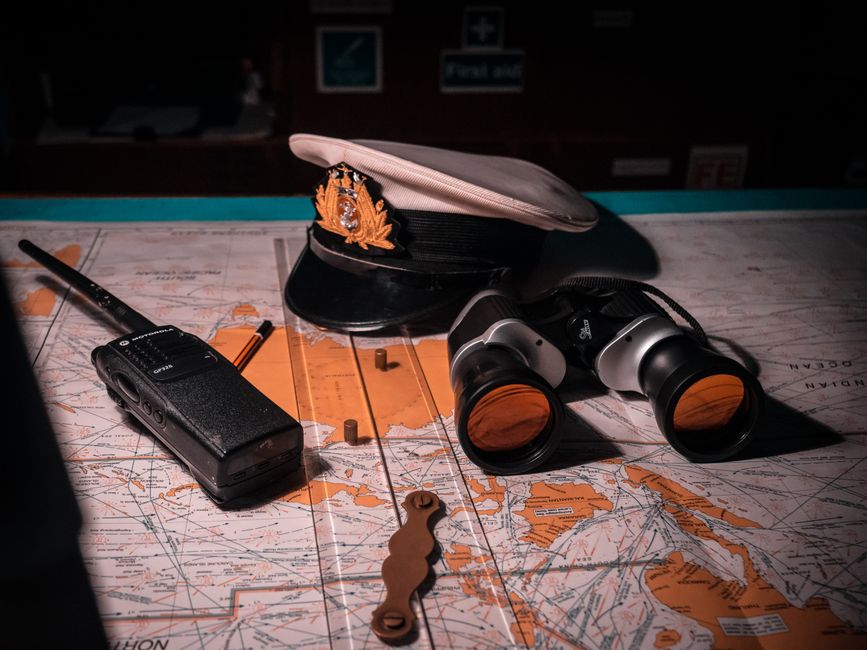
Marine voyage planning is a critical process that ensures safe and efficient navigation from one port to another. Proper planning minimizes risks and optimizes the journey, making it a cornerstone of maritime operations.
Understanding the Basics of Voyage Planning
The planning process begins with charting the course. It's vital to consider important factors like tides, weather conditions, and navigational hazards. Detailed maps and charts are used to plot the most direct and safe route, reducing travel time and fuel consumption.
Significance of Weather Forecasting
Weather can significantly affect marine journeys. Monitoring forecasts helps to avoid severe conditions like storms or high waves. Modern technology provides reliable data, allowing for adjustments in course or schedule to ensure safety.
The Role of Regulatory Compliance
Voyage planning also involves adhering to international maritime regulations. This includes recognizing restricted zones, ensuring the vessel’s equipment meets safety standards, and having necessary documentation for port entry.
Concluding Thoughts on Effective Voyage Planning
In conclusion, meticulous marine voyage planning is vital for safety and efficiency. By understanding the importance of accurate charting, weather forecasting, and regulatory compliance, mariners can navigate the complexities of seafaring with confidence.
Leave a Reply